
For construction companies & developers
Termite protection that fits the programme and survives handover.
Termipore goes in between the PCC and the floor finish. Done right, it's a short, contained activity that gives your buyers protection they can maintain without ever lifting a tile.
Where it sits
Sequencing on site
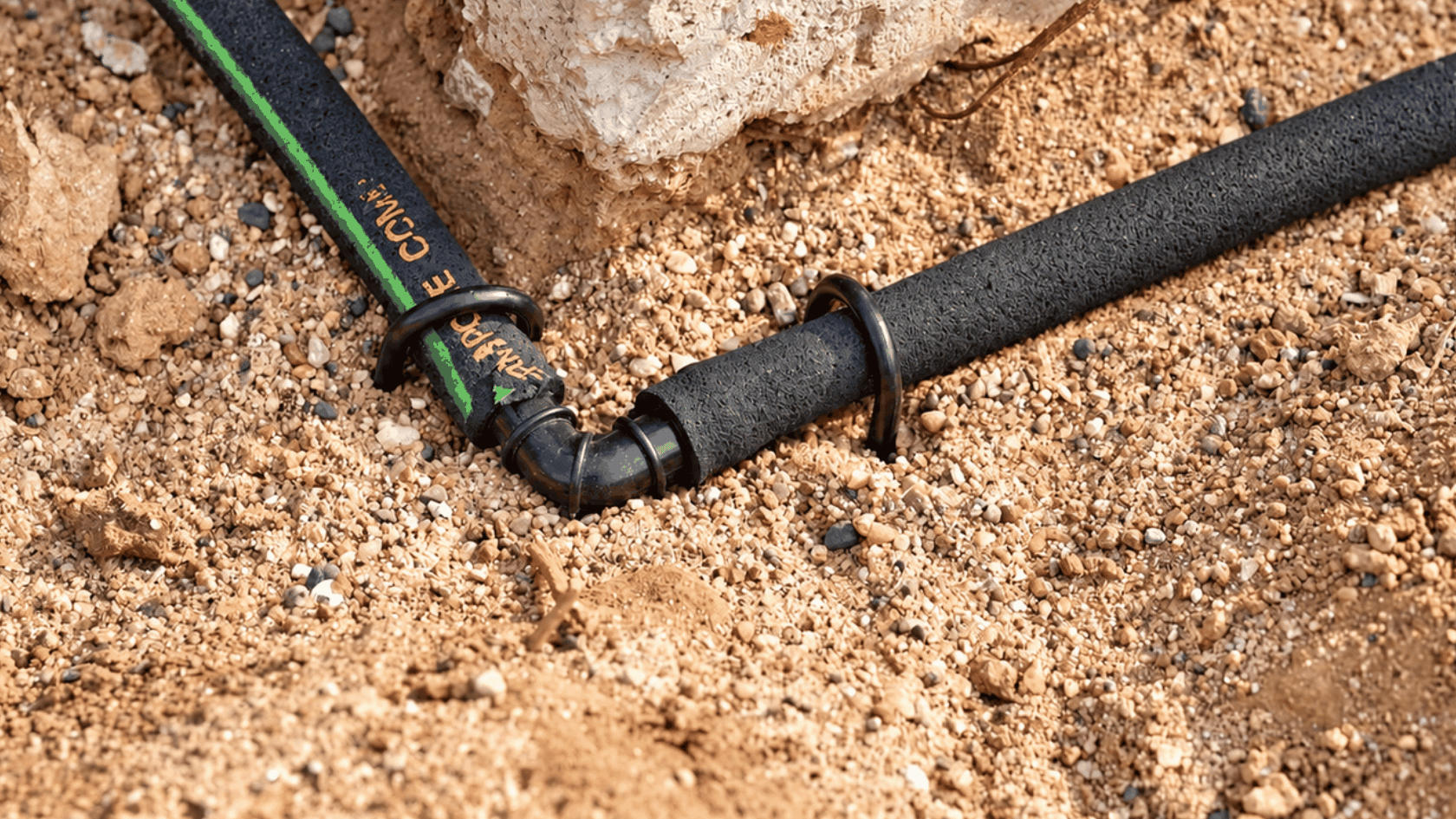
Plinth & PCC complete
The installer lays and clamps pipe on the PCC or in soil at plinth level.
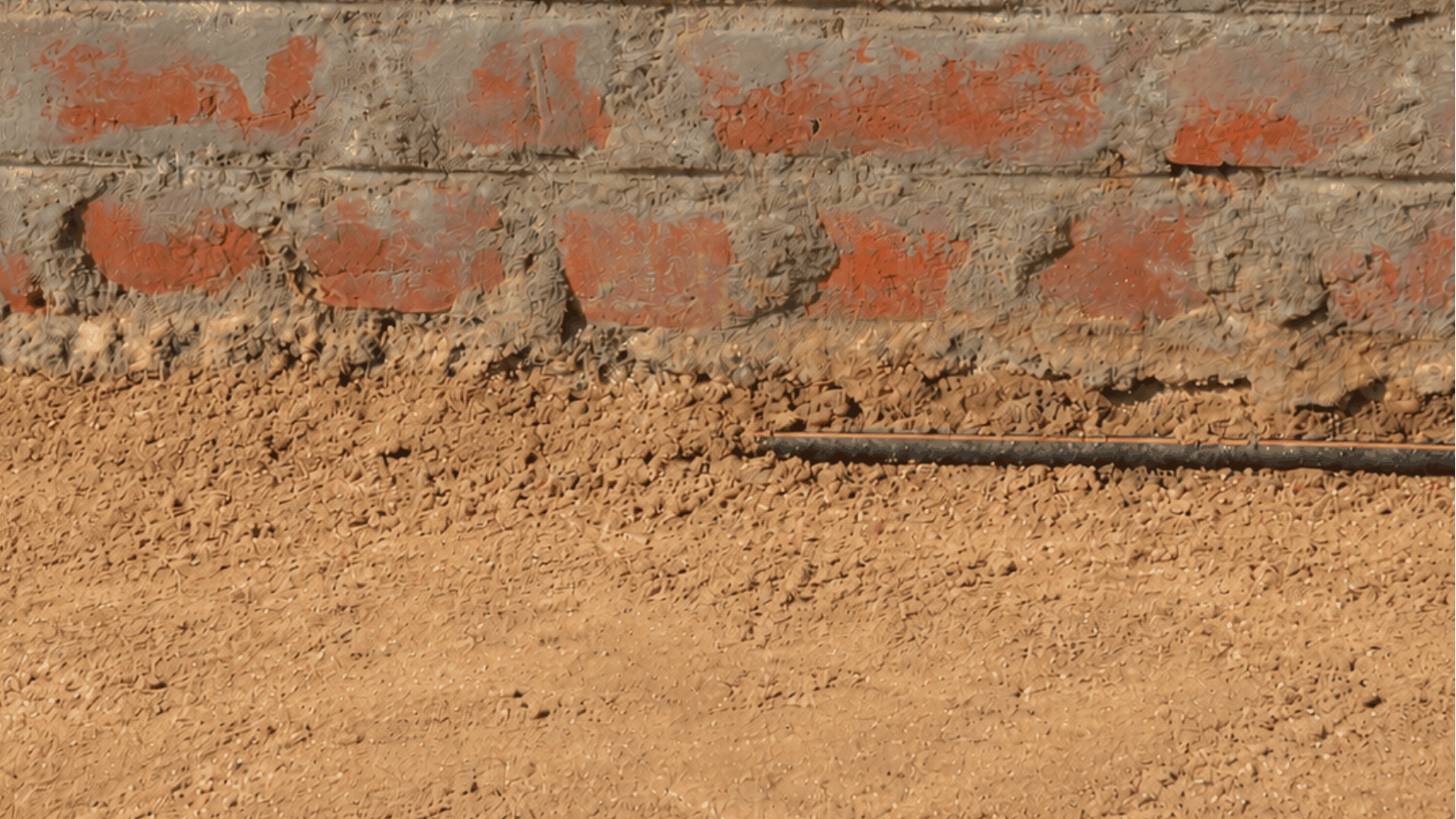
Cover before screed
Sand or paper over the pipe. Wet cement must never touch it.
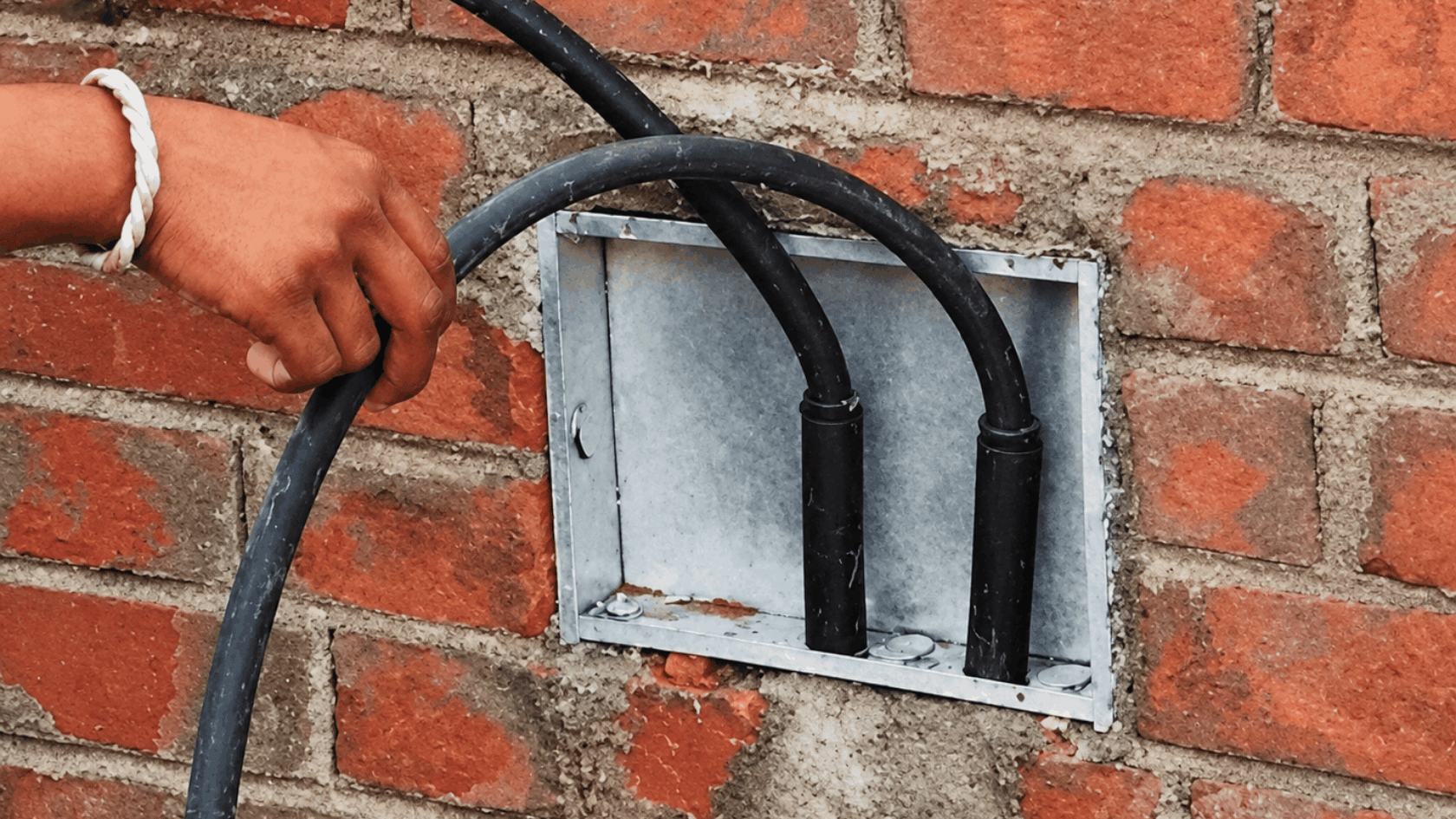
Fix junction boxes
Boxes set in the walls at the agreed points, connected with brass fittings.
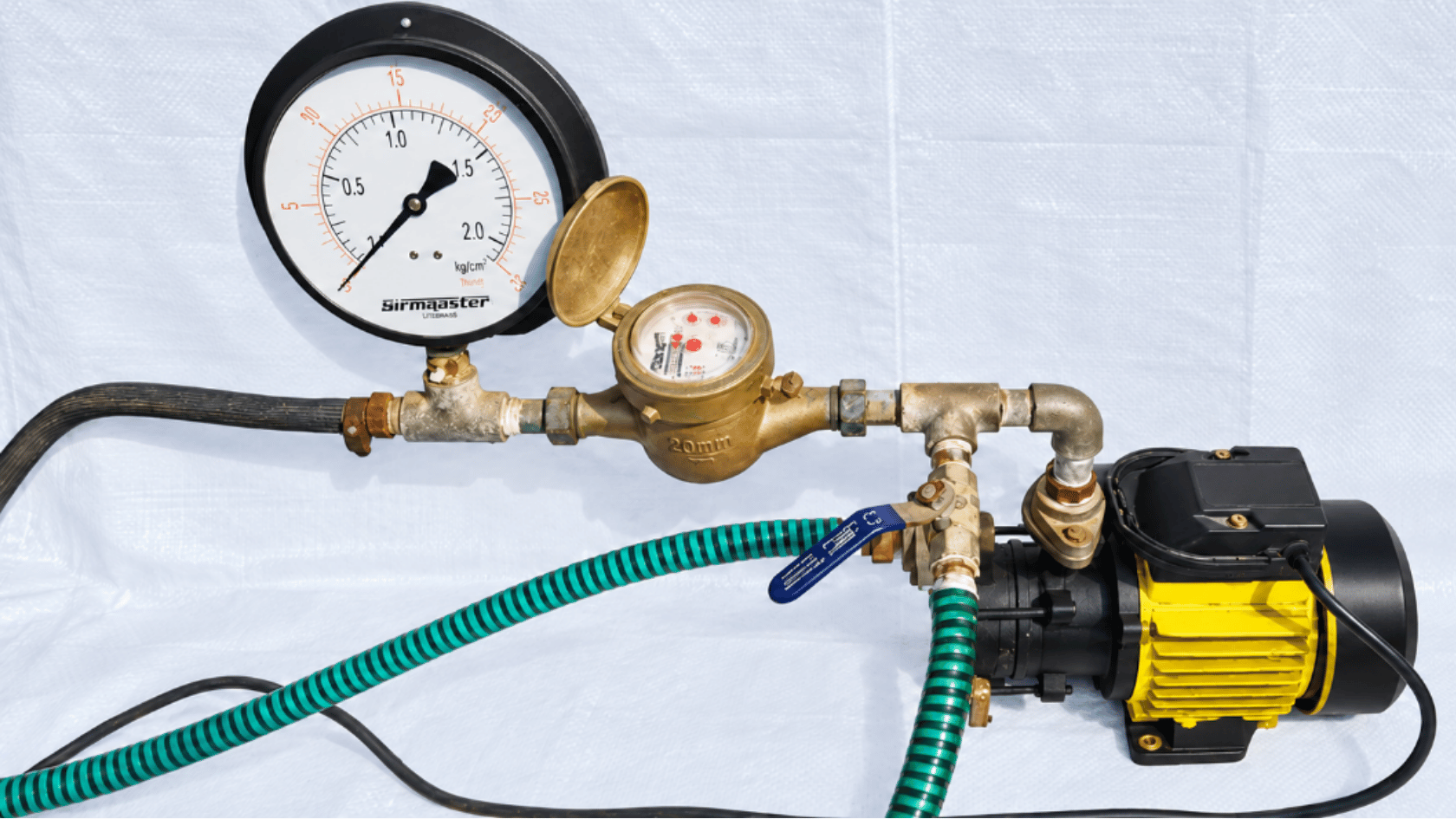
Inject and record
Termiticide injected through each box before handover, with zones and pipe sizes documented.
For your site teams
What causes failures on site.
- Wet cement on the pipe. Dried cement seals the micro-holes. Cover before pouring.
- Kinks and tight turns. Keep to the bending radius; use elbows at corners.
- Cut or crushed runs. Later trades chasing services through the slab must avoid marked pipe zones.
- Look-alike pipe. Check the QR code on every roll delivered to site.
For developers
A feature buyers can understand.
- Visible at handover. Junction boxes show the protection is built in, not promised.
- No disruption to occupants. Re-treatment happens from the wall in apartments, offices and homes.
- Long working life. 30–50 years when concealed, in line with the building it protects.
- Manageable by facilities teams. A scheduled re-injection replaces emergency drilling treatments.